Ohio State University ABA Programs
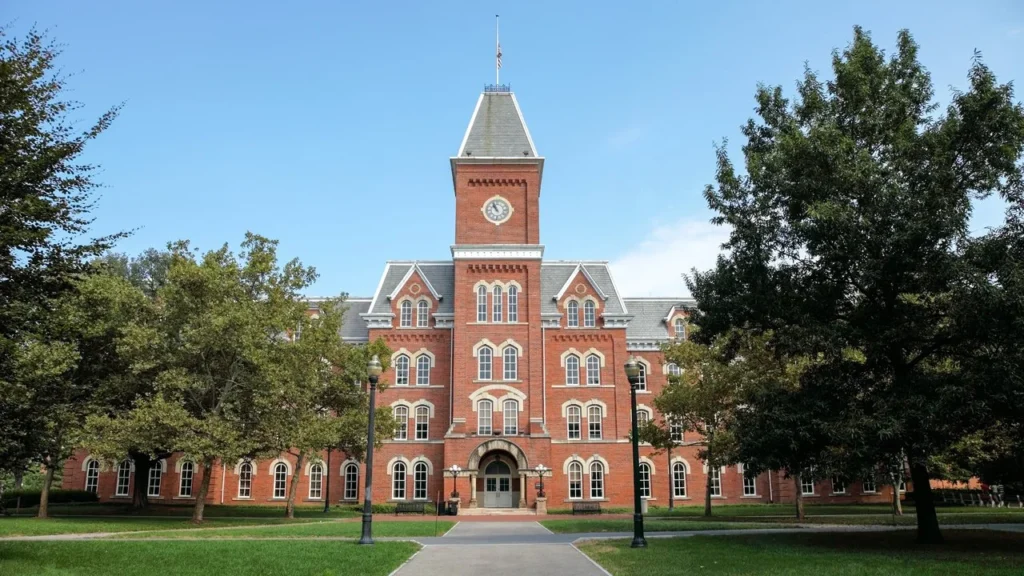
Ohio State University leads the field of Applied Behavior Analysis with a legacy that spans over five decades. Founded in the 1970s by Emeritus Professors John O. Cooper, Timothy Heron, and William Heward, their special education program has grown into a nationally recognized center for ABA education and research. The university’s dedication to behaviorism’s philosophical principles and applied behavior analysis’s methodological foundations remains strong.
Three prestigious lists recognize Ohio State’s excellence in ABA education: the 35 Best ABA Graduate Programs, Top 20 Best Schools Offering Applied Behavior Analyst Master’s Programs, and 32 Best Master’s in Education Programs with an ABA Emphasis. The special education graduate programs received the SABA Award for Enduring Programmatic Contributions in Behavior Analysis in 2011, which acknowledged their substantial effect on the field.
The university’s PhD program in special education made history in 1995 as the first doctoral program to receive ABAI accreditation. That same year, the MA program also earned accreditation, making Ohio State a pioneer in formal ABA education. Both programs managed to keep their accredited status through the Association for Behavior Analysis International, which ensures graduates receive education meeting rigorous standards.
Ohio State’s ABA programs’ influence reaches way beyond the reach and influence of the classroom. Students and faculty have published hundreds of peer-reviewed journal articles and dozens of influential books. The textbook Applied Behavior Analysis by Cooper, Heron, and Heward, which originated from Ohio State’s program, has shaped ABA education worldwide.
Dedicated faculty members like Sheila Alber-Morgan, Professor, PhD, BCBA-D, bring deep expertise and commitment to student success. Program faculty teach and conduct research that advances applied behavior analysis.
Ohio State’s graduates might be its greatest legacy as they bring evidence-based practices to practitioners and students globally. Program alumni work as educators, researchers, clinicians, and promote change, taking their Ohio State education’s influence beyond campus boundaries.
After 50+ years of leadership in ABA education, Ohio State continues to evolve while staying true to its core principles. Programs focus on designing, implementing, and evaluating interventions that improve academic, social, self-care, and vocational skills if you have disabilities. This enduring commitment to excellence makes Ohio State University a respected institution to get complete ABA education with ground applications.
What ABA programs does Ohio State University offer?
Ohio State University’s Department of Educational Studies provides two complete ABA programs that match different career goals. Students can choose the Master of Arts in Special Education with an Applied Behavior Analysis specialization. This program helps working professionals build expertise in evidence-based behavioral interventions.
The master’s program runs fully online with 36 credit hours. Students can finish it in 2-3 years. You can move at your own pace and take one or two courses each semester. This helps balance your work and studies. The program starts three times a year—spring, summer, and autumn. You can begin your studies whenever it fits your schedule best.
The program covers a verified course sequence (VCS) needed for the Board Certified Behavior Analyst (BCBA) credential. Students learn everything from simple behavior analysis to behavioral assessment, interventions, ethics, and single-case design. The coursework extends to mild-moderate disabilities, moderate-intensive disabilities, and early childhood.
Ohio State also offers a PhD in Educational Studies, Special Education Applied Behavior Analysis program. This path helps you advance beyond your master’s degree and prepares you for research, higher education, and policy development roles. The doctoral program needs 60 credit hours after the master’s degree.
The Association for Behavior Analysis International (ABAI) accredits both programs. The doctoral program holds accreditation through December 2026, while the master’s program runs through December 2030. This accreditation will give a strong foundation that meets industry standards and lets graduates pursue BCBA certification.
Ohio State’s ABA programs stand out because they focus on applied research. Master’s students write a thesis using behavioral research design to study how interventions affect student behavior. This experience builds analytical skills that work in educational and clinical settings.
Supervised fieldwork plays a vital role by offering hands-on experience with assessment, intervention, data collection, and decision-making. Students can work with people from early childhood through adulthood. Settings include schools, hospitals, clinics, and home-based services.
The program’s 85.71% BCBA exam pass rate (2021) is a big deal as it means that the national average falls far behind. This proves how well the programs prepare qualified behavior analysts.
Accreditation
Quality and academic rigor make accreditation a vital marker for ABA programs. Ohio State University’s ABA programs have earned prestigious accreditation from the Association for Behavior Analysis International (ABAI) Accreditation Board. This recognition proves the excellence and detailed nature of the university’s behavior analysis education.
The PhD in Educational Studies, Special Education Applied Behavior Analysis program maintains accreditation through December 31, 2026. The MA in Educational Studies, Special Education – Applied Behavior Analysis program has an even longer accreditation period through December 31, 2030. These extended periods show how well the programs meet ABAI’s rigorous standards.
The ABAI Accreditation Board has received full recognition from the Council for Higher Education Accreditation (CHEA). This places it among respected accrediting bodies in higher education. Students can trust that Ohio State’s programs meet both field-specific and broader educational quality measures.
Ohio State’s accreditation history stands out remarkably. The PhD program in special education became the first doctoral program to receive ABAI accreditation in 1995. That same year, the MA program earned its original accreditation. This made Ohio State a pioneer in formal ABA education credentialing.
The accreditation status offers direct benefits to students seeking certification. The MA in Applied Behavior Analysis meets all coursework and degree requirements needed for graduates to take the Board Certified Behavior Analyst® (BCBA) exam. Students can feel confident that their education matches professional certification paths perfectly.
The ABAI Accreditation Board recently granted re-accreditation to the master’s program. They found that the “program has demonstrated it adheres to the standards”. The board evaluates curriculum, faculty qualifications, student outcomes, and program resources before granting this valuable status.
The Master’s program in Special Education/ABA specialization has earned accreditation from the Association for Behavior Analysis International Accreditation Board. The curriculum meets the field’s highest standards, giving students complete confidence in their education.
ABAI accreditation confirms that programs provide essential knowledge and skills to develop evidence-based behavioral interventions in a variety of settings. This supports Ohio State’s mission to prepare skilled practitioners who make meaningful differences in the lives of people with disabilities.
Tuition
You need to understand the financial investment for your ABA education to plan your academic trip. Ohio State University’s Master’s in Applied Behavior Analysis program costs $13,497 for in-state students and $41,227 for out-of-state students.
The online Master’s in Applied Behavior Analysis program’s cost breakdown has these components:
- Instructional Fee: $829.75 per credit hour
- General Fee: $32.63 per credit hour
- Learning Technology Fee: $31.50 per credit hour
- Distance Learning Fee: $100.00 per semester
- Non-Resident Surcharge (if applicable): $200.00 per semester
Full-time students pay approximately $7,467.75 for instructional fees, $293.67 for general fees, $189.00 for learning technology fees, and $100.00 for the distance learning fee each semester.
Ohio State’s ABA program tuition sits in the mid-range compared to other state programs. Here’s what other Ohio institutions charge for their Applied Behavior Analysis Master’s programs:
- University of Dayton: $19,040 per year
- University of Cincinnati-Main Campus: $14,902 in-state, $26,674 out-of-state
- Muskingum University: $10,530 per year
- Case Western Reserve University: $52,402 per year
- Miami University-Oxford: $16,264 in-state, $36,338 out-of-state
- Bowling Green State University: $10,291 in-state, $16,283 out-of-state
- Youngstown State University: $6,615 in-state, $6,795 out-of-state
Ohio State provides several financial assistance options. The 2-year-old Regional Campus Commitment Program lets eligible low-and middle-income first-year students attend tuition-free if they start at an Ohio State regional campus. The Buckeye Bridge Program guarantees admission with tuition support to eligible Columbus State Community College associate degree graduates.
The university offers traditional financial aid options such as loans, work-study jobs, scholarships, and grants. Students should complete the Free Application for Federal Student Aid (FAFSA) to qualify for these opportunities.
Tuition rates may change based on the Board of Trustees’ decisions and State of Ohio mandates. Students should also consider costs for books, supplies, travel, and personal items in their education budget.
Admissions
You need a bachelor’s degree with a minimum 3.0 cumulative GPA on a 4.0 scale to get into Ohio State’s ABA programs. A degree in education, psychology, or related fields gives you an advantage. The program values at least one year of hands-on experience with people who have disabilities.
Here’s what you’ll need for your application package at Ohio State University:
- A completed Ohio State Graduate Admissions online application
- Official transcripts from all your previous schools
- Resume showing your relevant work experience
- Statement of intent that explains why you want to join the program
- Letters of recommendation (two if you’re applying online, three for on-campus)
- A non-refundable $60 application fee
The on-campus Master of Arts in Special Education/ABA specialization has a December 1 deadline. The online program offers more flexibility since you can start at different times throughout the year.
The special education/ABA program faculty takes an integrated look at applications. They review your academic record, practical experience, and how well your research interests match their expertise. Ohio State has three admission categories. You can get full admission by meeting all criteria, conditional admission if you haven’t finished your bachelor’s degree yet, and denial if requirements aren’t met.
Master’s students can transfer up to 20% of required graduate credit hours, usually from other ABAI-accredited schools. These courses must match OSU’s offerings. You’ll need to show course syllabi and get approval from the Program Director.
Ohio State follows Title IX regulations in its non-discrimination policy. They choose candidates based on qualifications and potential impact in applied behavior analysis.
Most programs decide on admission and funding for autumn term between January and March. This gives you plenty of time to get ready for enrollment.
What sets Ohio State apart?
Ohio State University’s ABA programs stand out with several key features that make them different from other institutions. Their graduates show exceptional competence with a BCBA exam pass rate of 85.71% in 2021, which exceeds industry averages.
The program’s excellence comes from more than 50 years of leadership in applied behavior analysis. This long-standing expertise has placed Ohio State on three prestigious lists: the 35 Best ABA Graduate Programs, Top 20 Best Schools Offering Applied Behavior Analyst Master’s Programs, and 32 Best Master’s in Education Programs with an ABA Emphasis.
The program’s mentoring approach adds significant value. Students meet weekly with faculty members who help them identify and pursue their academic and research goals. This direct guidance creates a supportive environment where each student receives attention based on their specific interests.
Ohio State also runs an innovative teleconference seminar called “Contemporary Issues in Special Education” since 1988. Leading researchers from other universities serve as guest faculty and interact with students through videoconferencing.
The thesis co-advisement system adds another unique element to the program. PhD students get valuable mentoring experience while MA students receive extra support with their thesis research. This shared approach helps both groups advance academically.
Ohio State has developed a strong cohort model that serves students well. Students find great support from their peers even as their programs become more individualized. The community spirit shows in social events like the “I-Survived-My-First-Semester” party hosted by first-year doctoral students.
The program brings together points of view from special education and ABA therapy backgrounds. Students learn from each other’s experiences in a variety of ways. General education teachers benefit especially because they can work toward special education licensure and BCBA credentials at the same time.
Next steps
Are you ready to pursue your ABA career at Ohio State University? Your application starts with an online submission through Graduate and Professional Admissions. You should review program requirements and gather all the work to be done—three letters of recommendation, official transcripts, a statement of intent, and your resume.
The campus-based program has an application deadline of December 1. The online program provides more flexibility with multiple start dates throughout the year. Note that all application deadlines are completion deadlines, and the university must receive all materials by the listed date.
Creating an account on the BACB website is crucial before you submit your application, as you’ll need it throughout your professional experience. A campus visit can give you firsthand exposure to the university environment. Ohio State cannot accommodate walk-ins, so these visits need advance scheduling.
Admitted students must complete a pre-certification workshop and examination on Ohio state behavior analysis regulations to get certified. Program advisors will help you meet both academic and fieldwork requirements throughout your studies.