ABA Degrees at University of North Carolina Wilmington
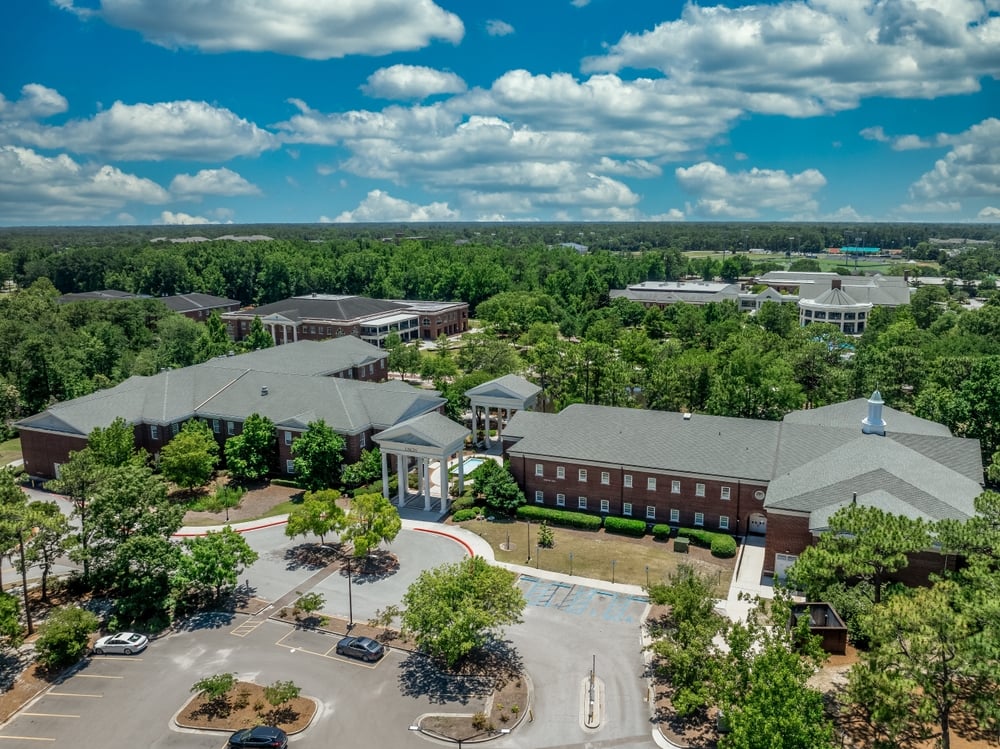
The University of North Carolina Wilmington (UNCW) shows the remarkable progress of education in the state. Wilmington College started modestly in 1947 and grew into a prestigious doctoral and research university serving nearly 19,000 students with about 2,500 employees. World War II veterans used their military benefits at this college, which later joined the UNC System and became a university.
UNCW’s Department of Psychology plays a key role in Applied Behavior Analysis (ABA) education. North Carolina’s children with disabilities need 300% more Behavior Analysts right now. This shortage has shaped how the university approaches ABA education at every degree level.
UNCW defines Applied Behavior Analysis as a scientific discipline that uses learning principles. These principles help design, implement, and review strategies that lead to meaningful behavioral improvements. The university blends theory with ground application, which matches the standards set by the Behavior Analysis Certification Board.
The doctoral program stands at the top of UNCW’s ABA offerings. Each year, only two to three students join the PhD cohort. Students spend their first two years completing specialized courses that prepare them for the Board Certified Behavior Analyst examination. They then work on master’s research theses with faculty mentors, get hands-on experience, and create original dissertations.
The faculty brings expertise in experimental, conceptual, and applied behavior analysis. Behavior analysis specialists include Drs. Galizio, Bruce, Hughes, Pitts, Donlin, Van Camp, Cariveau, Baxter, and Williams. Students benefit from this range of expertise through research and practical work.
The PhD program’s curriculum encourages critical behavior-analytic thinking in experimental, applied, conceptual, and service delivery areas. Graduates are ready to lead in academic institutions, government agencies, businesses, and human service organizations.
The Association for Behavior Analysis International Accreditation Board has recognized UNCW’s doctoral program’s quality. The accreditation runs from 2023 to 2028, showing the program meets industry standards and best practices.
UNCW offers several paths to enter the ABA field. Undergraduate students can take courses to become Registered Behavior Technicians, including PSY 316: Applied Behavior Analysis for Behavior Technicians. They can also complete courses for Board Certified Assistant Behavior Analyst (BCaBA) certification.
The Master of Science program in behavior analysis helps students become skilled researchers and practitioners. Students complete empirical theses and get supervised practical experience.
What ABA programs does University of North Carolina offer?
UNCW provides well-laid-out ABA education pathways that match different career goals and academic levels.
Students can choose an interdisciplinary minor in Applied Behavior Analysis and Developmental/Intellectual Disabilities through the College of Science and Engineering and Watson College of Education. This 21-22 credit hour program needs four core courses (12 hours), one field experience course (3 hours), an advanced topic (3-4 hours), and approved electives (3 hours). The minor gives students basic knowledge of behavior analysis principles, especially when you have intellectual disabilities.
The Psychology Department lets undergraduate students get a Board Certified Assistant Behavior Analyst (BCaBA) credential through a 5th edition ABAI Verified Course Sequence that has:
- PSY 217 – Learning and Behavior Change
- PSY 316 – Applied Behavior Analysis for Behavior Technicians
- PST 317 – Applied Behavior Analysis
- PST 318 – Developmental Disabilities and Behavior Analysis
- PSY 319 – Ethical Issues in Applied Behavior Analysis
- PSY 417 – Advanced Learning and Behavior Analysis
Students seeking advanced education can pursue a Master of Science in Psychology with a concentration in Applied Behavior Analysis. This program takes 2½ years or 30 months with 53 credits. Students learn experimental and applied behavior analysis fundamentals along with methodological and conceptual foundations. The program requires an empirical thesis and supervised practical experience, including a 6-month/750 hour internship. UNCW’s program holds accreditation from the Association for Behavior Analysis International through December 2028.
The PhD in Psychology with an ABA concentration is UNCW’s highest credential in this field. The doctoral program accepts two to three students each year. Students complete the BCBA course sequence in their first two years. They write a master’s thesis under faculty guidance before moving to advanced coursework, applied practicum, research experience, and dissertation work. The PhD program maintains ABAI accreditation through 2028.
UNCW’s programs have shown remarkable results with a 100% pass rate on the BCBA exam. Program graduates lead and work in ABA clinics throughout North Carolina and beyond. Doctoral graduates often build careers in research and academia.
The undergraduate, master’s, and doctoral programs match Behavior Analysis Certification Board credentials. This arrangement helps students get professional certification at their education level.
Accreditation
Quality and credibility in academic behavior analysis programs depend heavily on accreditation. The doctoral and master’s degree programs in Behavior Analysis at the University of North Carolina Wilmington have earned accreditation from the Association for Behavior Analysis International (ABAI) Accreditation Board from 2023 to 2028. A thorough evaluation confirmed these programs meet quality standards without major issues.
ABAI’s Accreditation Board sets and maintains standards for behavior analysis education programs. Their assessment shows UNCW’s programs meet excellence standards in behavior-analytic education. The process looks at curriculum quality, faculty credentials, student outcomes and program effectiveness.
UNCW’s Psychology Department provides a 5th edition ABAI Verified Course Sequence (VCS) at undergraduate level. The sequence has six courses that cover learning principles, applied behavior analysis, developmental disabilities, ethical issues, and advanced behavior analysis concepts. Students should know that this course sequence is just one part of BCaBA credential requirements. They must complete practical fieldwork, finish their degree, and pass the certification exam.
UNCW also holds regional accreditation from the Southern Association of Colleges and Schools (SACS). Students can apply for financial aid because of this institutional accreditation. The university can design programs, set requirements, and accept transfer credits from other institutions.
The PhD program received ABAI accreditation in 2023 after meeting strict quality standards. The Master of Science program also earned accreditation through this evaluation process, showing it meets professional expectations.
Students who want to work as behavior analysts in North Carolina need to know about additional requirements. They must get licensure through the North Carolina Behavior Analysis Licensure Board (NCBALB) after getting their BCaBA credential.
UNCW’s behavior analysis programs rank among respected educational options nationwide. The combination of ABAI programmatic accreditation and SACS institutional accreditation ensures graduates receive training that meets professional standards.
Tuition
Money matters a lot to students who want to pursue graduate education in Applied Behavior Analysis. Students need to understand UNCW’s cost structure to make smart decisions about their investment in education.
UNCW sets different graduate tuition rates based on where you live. The numbers show a big difference between in-state and out-of-state costs. NC residents will pay $5,595.00 for the academic year, while non-residents face a much steeper rate of $22,646.00.
Looking at the cost per credit hour, main campus programs charge NC residents $310.84 and non-residents $1,258.12. Students need to add mandatory fees to these base rates. Full-time students taking 9 or more credits pay:
Main Campus Program:
- NC Residents: $2,797.50 tuition + $1,472.00 fees = $4,269.50 total per semester
- Non-Residents: $11,323.00 tuition + $1,472.00 fees = $12,795.00 total per semester
Students taking 9 or more credit hours must pay several fees. These include an Educational & Technology Fee ($281.50), Security Fee ($30.00), and University Fee ($1,160.50). Distance Education students have a different fee structure that keeps the Educational & Technology and Security fees but drops the University Fee.
Students in the M.S. in Applied Behavior Analysis program should expect to pay about $336.00 per credit as in-state students or $1,336.00 as out-of-state students. The total yearly cost, including tuition, fees, and living expenses, reaches $26,377.00 for residents and $40,205.00 for non-residents.
UNCW helps students manage these costs through several financial aid options. Graduate teaching assistantships are a great way to get support by working 5-20 hours weekly. Research and graduate assistantships provide more funding choices. These positions are competitive but usually cover costs for the first two years.
The university also runs a special program that lets some non-residents pay resident tuition rates, though spots are limited. Students should fill out the FAFSA to qualify for federal loans and explore other aid options through UNCW’s financial aid office.
Remember that tuition and fees might change with legislative approval. Students who want the latest information about tuition rates or estimated costs should reach out to the Student Accounts office or check the university website.
Admissions
Getting into ABA programs at UNC Wilmington takes careful planning due to high competition. Students should plan their applications early. The university suggests submitting by January 4th [soft deadline], though applications remain open until April 15th.
The Applied Behavior Analysis doctoral program is highly selective and accepts only two to four students in each group. The Graduate Admissions Committee reviews applications right after priority deadlines, and usually sends interview invitations by mid-February.
Students need a bachelor’s degree with good grades in research and statistics courses (B or higher) to qualify. Doctoral candidates must have a psychology bachelor’s degree with a 3.0+ GPA or at least 21 psychology credits with similar grades. A complete application needs:
- $60 application fee
- Three recommendation letters (one must be from a university professor)
- Statement of purpose (500 words minimum)
- Current resume
- Official transcripts from all post-secondary institutions
Doctoral candidates must complete an on-campus interview before receiving an offer. Students with master’s degrees can apply, though their previous education may not speed up program completion.
The program demands significant time commitment. Classes run five days a week in-person, with schedules that could run from 8 a.m. to 9 p.m.. Students must finish their master’s requirements before moving to doctoral studies.
UNC Wilmington helps with finances through competitive Graduate Teaching Assistantships that last up to four years with 20 weekly hours. On top of that, it offers some tuition reduction for in-state costs and out-of-state tuition remissions for the first year.
What sets UNC Wilmington apart?
UNC Wilmington’s ABA programs stand out from similar nationwide offerings in several ways. The program boasts an exceptional 100% passing rate for first-time BCBA candidates, which shows how well students are prepared for professional certification. Students benefit from a favorable student-to-faculty ratio of 18:1 that gives them individual attention throughout their education.
UNCW’s behavior analysis education excels with its integrated learning model. Students collaborate with faculty as “junior colleagues” and develop empirical research projects that become their master’s thesis and dissertation. This mentorship creates a collaborative space where students get hands-on experience with behavioral data collection and analysis.
The curriculum strikes a perfect balance between theory and practice in behavior analysis. UNCW goes beyond classroom learning to develop critical behavior-analytic thinking skills. Students get strong foundations in experimental and applied behavior analysis.
The coastal university setting adds value to student education. Creative inquiry and thoughtful expression thrive in this beautiful environment that promotes intellectual and professional growth.
UNCW differs from other programs by developing both research and practical skills. Students complete an empirical thesis while getting supervised practical experience. This prepares them for doctoral studies or immediate employment.
UNCW’s biggest strength lies in its steadfast dedication to student independence. The doctoral program shapes graduates who can work autonomously in research, teaching, and practice. Graduates become leaders in academic institutions, government agencies, businesses, and human service organizations. This detailed preparation helps UNCW graduates earn recognition as highly effective behavior analysis professionals regionally, nationally, and internationally.
Next steps
Want to start your ABA education at UNC Wilmington? The program fills up quickly, so you should act fast. The final deadline is April 15, but UNCW has set January 4 as their soft deadline. The review process for doctoral programs typically starts after December 4.
Here’s how to start your application:
- Check these simple eligibility requirements:
- Bachelor’s degree with B or higher grades in research and statistics
- Non-psychology majors need official GRE scores
- Doctoral candidates need a psychology degree with 3.0+ GPA or 21+ psychology credits
- Get these application materials ready:
- $60 application fee
- Three recommendation letters
- Statement of purpose (minimum 500 words)
- Current resume
- Official transcripts
The first-round interview invitations usually arrive in late January. Doctoral applicants must visit the campus for an interview between February and March.
You’ll have until April 15 to accept your offer. You can request a one-year deferral with approval from your faculty match and committees. Remember that financial aid offers don’t automatically carry forward.
The program schedule is intensive. Classes run from 8 a.m. until 9 p.m. on weekdays.