ABA Programs at St. Cloud State University
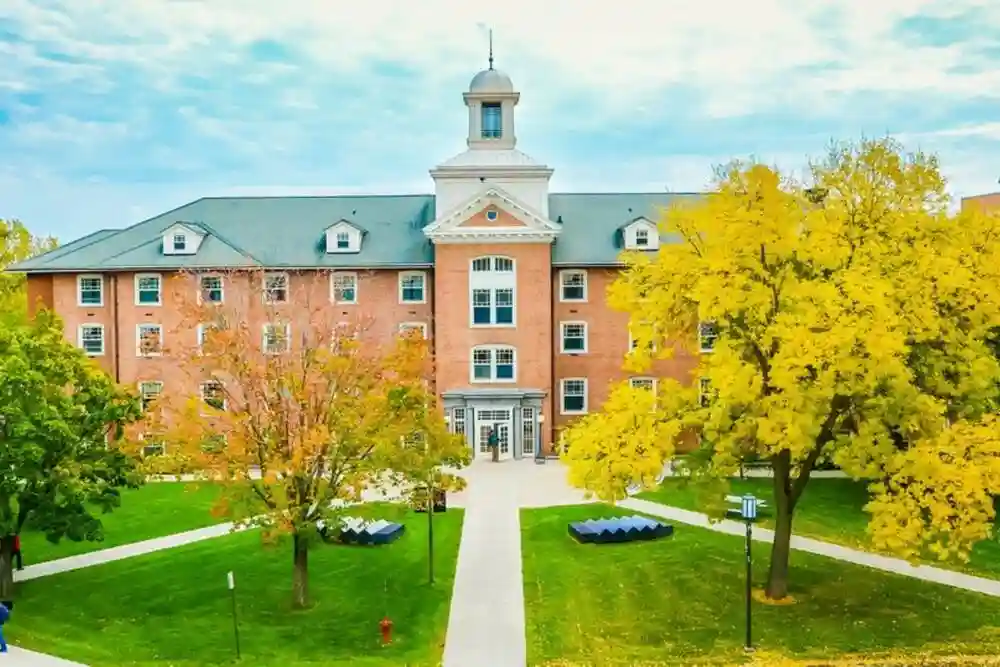
St. Cloud State University’s Applied Behavior Analysis (ABA) program is one of the oldest graduate training programs in this field. The program started in 1982 and has built an excellent reputation. Since 1999, it has held accreditation from the Association for Behavior Analysis International. This rich history shows the university’s steadfast dedication to behavioral science education.
The ABA program aims to create behavior analysts with strong academic, research, clinical, and professional skills. These skills help them meet client and employer needs worldwide. Students learn through a detailed curriculum that prepares them to work with people who have autism spectrum disorders, developmental disabilities, and other behavioral challenges.
The program stands out because of its worldwide reach. Students come from 18 countries, all 50 states, and every Canadian province. This mix of cultures creates a rich learning environment where different views make the education better. The faculty also works with more than 120 agencies across the globe, bringing ground application straight to the classroom.
Students get hands-on training at the on-campus Offerdahl Autism Discovery Center. They learn to conduct assessments, design and run programs, and train staff and parents. This practical experience helps graduates make a difference right away in their jobs.
Students can choose between on-campus and online classes. The program keeps classes small and maintains consistent outcomes, no matter which option students pick.
The program follows a forward-thinking curriculum approved by the Behavior Analyst Certification Board. Students consistently score high on national board exams. They work on research with faculty members and present their findings at state, regional, and international conferences.
The university now offers a Doctor of Psychology in Applied Behavior Analysis (ABA Psy.D.)—Minnesota’s only such program. Students gain advanced research skills, learn to train staff, and develop leadership abilities needed for top positions in the field.
St. Cloud State University shapes tomorrow’s behavior science through this detailed approach to education. Their graduates continue to make meaningful changes in their clients’ lives.
What ABA programs does St. Cloud State University offer?
St. Cloud State University provides two distinct ABA programs that match different educational needs and career goals.
The Master of Science in Applied Behavior Analysis program is the centerpiece of St. Cloud State’s ABA offerings. Students need minimum of 45-52 credits to complete this detailed program, based on their chosen track. The program’s flexibility lets students choose between a thesis track or a comprehensive examination track. Students receive a solid foundation through essential courses like Applied Behavior Analysis, Experimental Analysis of Behavior, Advanced Applied Behavior Analysis, Behavioral Applications, Behavioral Assessment, Ethics in Psychology and Behavior Analysis, and Social Bases of Behavior.
The master’s program holds accreditation from the Association for Behavior Analysis International Accreditation Board. This ensures graduates meet the academic requirements for the Behavior Analyst Certification Board. The on-campus program’s accreditation runs through December 31, 2032, while the online program remains accredited until December 31, 2031.
Students must complete a 750-hour clinical internship at an approved location. This hands-on experience opens doors to various careers such as clinical behavior therapist, intensive behavior therapist, education behavior support specialist, behavior analyst, and residential and vocational specialist positions.
Minnesota’s only Doctor of Psychology in Applied Behavior Analysis (ABA Psy.D.) program is available at St. Cloud State. This doctoral program helps practitioners work with children diagnosed with autism spectrum disorders and other developmental disabilities. Students learn essential clinic management skills including:
- Curriculum development
- Staff training techniques
- Partnership building with area organizations
The Psy.D. program’s unique features create an exceptional learning environment. Students work on dissertations under faculty guidance and present their advanced research at conferences. The program also includes access to a modern autism clinic that makes research-based learning easier through traditional in-home care and emerging telehealth practices.
Both programs benefit from strategic collaborations with more than 120 agencies worldwide. These connections help students apply theory to practice, especially when they have access to the on-campus Offerdahl Autism Discovery Center.
Accreditation
Quality assurance in academic programs relies on accreditation as its foundation. It proves that students get education meeting professional standards. St. Cloud State University’s ABA programs have earned prestigious recognition after going through strict external reviews.
The Association for Behavior Analysis International (ABAI) Accreditation Board has accredited the Master of Science in Applied Behavior Analysis program. A rigorous evaluation process showed the program meets ABAI Accreditation Standards. The MS program’s on-campus format is 24 years old and has managed to keep continuous accreditation since 1999. The current accreditation runs through December 31, 2032. The online version received its accreditation more recently and will run through December 31, 2031.
Both programs went through a full picture in 2025. The ABAI Accreditation Board voted to give seven-year terms – renewing full accreditation for the on-campus program and granting it to the online program. The board found that both programs met standards without serious issues.
This accreditation means more than just prestige. Effective January 1, 2022, ABAI-Accredited Programs meet the Behavior Analyst Certification Board’s (BACB) requirements via Pathway 1 for BCBA® and BCaBA® certification applications. Graduates can pursue professional certification without extra educational requirements.
St. Cloud State’s programs’ accreditation status confirms their substantial academic depth. Full-time faculty with Ph.D. credentials teach all courses, providing balanced conceptual and practical coursework. Students get close faculty support to publish, present, and achieve their professional goals.
The Higher Learning Commission of the North Central Association of Colleges and Schools provides regional accreditation to the university. This institutional accreditation lets St. Cloud State award various degrees – from associate to doctoral levels – along with undergraduate and graduate certificates.
St. Cloud State University’s multiple accreditation layers show its steadfast dedication to educational excellence. The university prepares ABA professionals who meet strict standards. Future students can be confident they will receive quality education that the profession recognizes.
Tuition
The cost of ABA education at St. Cloud State University helps students plan their financial future better.
The Master of Science in Applied Behavior Analysis program costs $769.53 per credit. This rate reflects the program’s BACB approval and clinical focus.
Students in the Psy.D. in Applied Behavior Analysis program pay $787.27 per credit for both on-campus and online classes. The rate goes up to $900.99 per credit for off-campus doctoral programs.
Graduate tuition rates at St. Cloud State depend on:
- Program of study
- Minnesota residency status
- Delivery method (on-campus vs. online)
- Departmental requirements
Students need to pay extra fees on top of their tuition. A flat health services fee of $80.36 applies to everyone. Students also pay per-credit charges that include student activity ($13.27), athletics ($8.33), facility assessment ($8.65), student union ($17.92), technology ($14.00), and Students United ($0.80) – most of these fees stop at 9 credits.
Online students who live outside Minnesota can ask for some of their fees back. International students must get health insurance – this rule applies to all F-1 and J-1 visa holders.
Students from Wisconsin and Manitoba might qualify for resident rates through special agreements. These deals don’t cover special programs like the Applied Behavior Analysis MS program.
International graduate students face different financial requirements. Most Masters programs, including standard ABA programs, need proof of $30,875 for I-20 papers. This amount covers tuition ($10,147), fees ($1,294), on-campus living ($10,970), and other expenses like health insurance, books, and supplies ($8,464).
St. Cloud State provides many ways to help students manage costs. The university wants to keep its graduate education within reach through smart pricing. Students should look into all financial aid options to plan their education costs.
The university can change tuition and fees without notice. Students should always check current rates through official channels to plan accurately.
Admissions
St. Cloud State University’s ABA programs need you to follow specific steps and timelines when you apply. The university makes the process easier with a Centralized Application Service (CAS) system.
The Applied Behavior Analysis programs updated their fees in Summer 2025 [link_1]. You’ll need to pay $50.00 for the Master’s program application, while the PsyD program costs $65.00. These fees can’t be refunded once you submit your application.
The selection team looks at several aspects of your application. They value recommendations from board certified behavior analysts and faculty members who have taught you. Your immediate supervisors can also write recommendations about your potential for graduate training. Clinical skills matter but they’re not the only factor that predicts success in graduate school.
Your work experience plays a crucial role, especially if you’ve developed and implemented behavior analytically-based interventions. Academic experience counts too – both credit and non-credit courses in applied behavior analysis principles and procedures. While workshops and conferences look good on your application, they don’t carry as much weight as formal credit courses.
PsyD candidates should show their clinical work abilities, scholarship, and research skills. This doctoral program naturally sets higher standards for advanced study.
The application timeline follows this structure:
- October 1-February 15: Priority application period
- February 15-April 1: Admissions decisions for priority applications and secondary consideration period
- April: Students receive admission decisions
- April 15: Final day to accept admission offer
- April 20-May 1: Welcome packet distribution and next steps
Space is limited in both programs, so St. Cloud State uses a waitlist system. May 15 serves as the waitlist decision day. You should apply early to improve your chances.
Graduate applicants must meet the school’s standards. You need a 2.75 cumulative undergraduate GPA and/or 3.0 cumulative graduate GPA. Doctoral programs require a 3.0 cumulative graduate GPA with a completed master’s degree. Your application should include transcripts and an updated resume that shows your professional, academic, and volunteer experiences.
A well-planned application submitted on time will boost your chances of getting into these competitive ABA programs at St. Cloud State University.
What sets St. Cloud State apart?
St. Cloud State University gives ABA students amazing benefits beyond regular classroom learning.
The numbers speak for themselves. The program hit a 100% pass rate on the BACB exam in 2018 and managed to keep it above 95% for three years straight. These results show how well the program prepares its students.
Ph.D. level instructors teach every course and give students personal attention. Students work with faculty on research projects that lead to presentations at state, regional, and international conferences.
Students progress together in cohorts, which builds strong peer relationships. Online learners connect through class discussions and projects, and they often meet at professional events. The program welcomes multiple team members from agencies to enroll together, which creates natural support networks.
Students get plenty of hands-on experience. They can join the Student Organization for Behavior Analysts and attend the Minnesota Northland Association for Behavior Analysis conference. Many students work on advanced research that applies behavioral principles in a variety of populations.
The university is known for its financial support options. Students on campus can apply for teaching, research, and advising assistantships in fall and spring semesters. Research grants, awards, travel stipends, and scholarships from organizations like the Autism Recovery Foundation provide extra funding.
St. Cloud State takes ABA education beyond traditional methods with systems thinking. This view looks at culture, community, family, and personal goals when creating individual treatments. Graduates learn to tackle ground challenges instead of just laboratory conditions.
Students who need flexibility can choose a hybrid option. They spend their first year on campus and complete the second year remotely.
Next steps
Want to join the ABA programs at St. Cloud State University? A clear understanding of timelines and requirements will help you create a strong application.
Students can apply for fall cohorts starting October 1 each year. The review process follows these key dates:
- Priority application deadline: February 15
- Regular application deadline: March 15
These deadlines work the same for all students – whether you’re from the U.S. or international. The selection committee will review your application thoroughly after you meet these deadlines.
Your complete application needs these items:
- Personal statement
- Professional resume or curriculum vitae
- Undergraduate and/or graduate transcripts
- Three letters of recommendation
The program’s competitive nature might lead to a wait list for qualified candidates who didn’t make the initial acceptance group. St. Cloud State has set May 15 as the official wait list decision day. Your chances of getting a spot improve significantly if you submit your application early.
Accepted students will receive welcome packets between April 20-May 1 that explain the next steps to enroll. This information will give a smooth start to your academic experience.
The doctoral program has some extra requirements. The selection committee values recommendations from board-certified behavior analysts and faculty members who know your academic work well. Your application becomes stronger when you show clinical work, research abilities, and scholarship.
Previous work in behavior analytic interventions will boost your application. Both credit courses and non-credit training in behavior analysis count toward qualifications, though formal coursework carries more weight.
A well-laid-out application submitted on time will help you join these prestigious programs that shape successful behavior analysts in this growing field.