
University of Alaska Anchorage ABA Programs
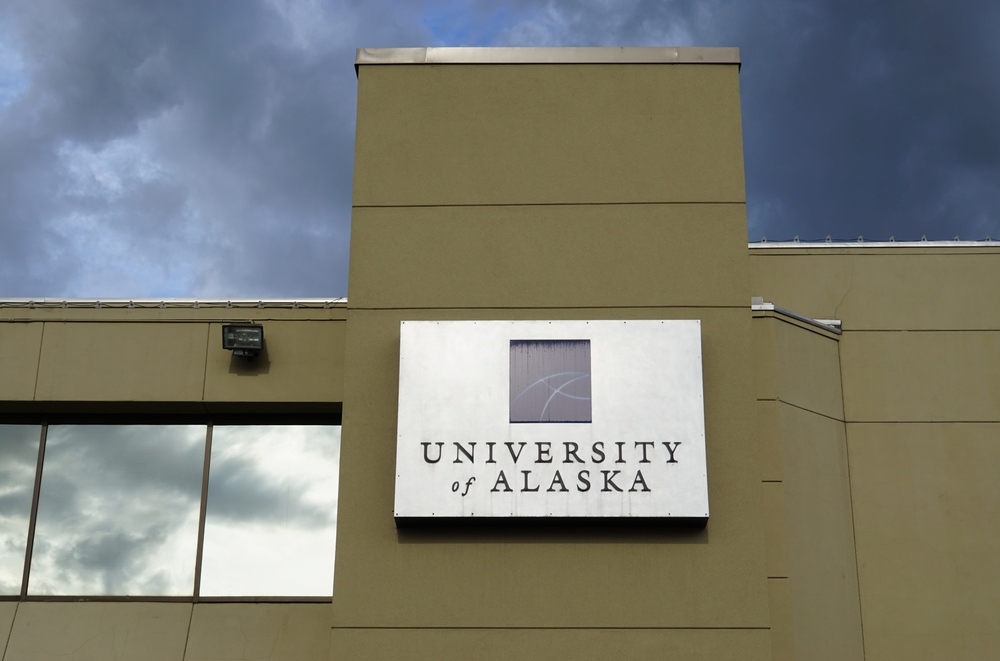
The University of Alaska Anchorage (UAA) is the main educational institution in Alaska’s largest city. This complete public institution gives open access to education from short-term workforce credentials to advanced graduate programs. Students can shape their own educational experience at UAA and prepare themselves to make meaningful contributions in Alaska and beyond.
UAA does more than just traditional education. The university changes the lives of its students and communities. It also acknowledges its locations on the ancestral lands of Alaska’s First Peoples. This recognition of cultural heritage shapes the institution’s identity and educational approach.
The Applied Behavior Analysis (ABA) programs play a vital role among UAA’s varied academic offerings. These specialized programs run through the Center for Human Development, which houses the Capacity Building in Autism Interventions (CBAI) program. The program receives funding from the State of Alaska’s Women’s Children’s and Family Health department.
CBAI works to increase the number of qualified professionals who can work with children and adults on the autism spectrum. The Field Supervision program offers fully funded supervision opportunities to Alaska-based students who want to become Board Certified Behavior Analysts (BCBA) or Board Certified Assistant Behavior Analysts (BCaBA).
Students in the CBAI Field Supervision program learn about several significant areas. These include behavioral science, its real-world applications, Functional Behavior Assessment processes, and evidence-based practices for autism care. They also master techniques to reduce problem behaviors while promoting positive social and learning behaviors.
Students typically need about two years to finish the program. BCBA certification needs a Master’s degree in Education, Psychology, or Behavior Analysis plus 1500 hours of supervised field experience. BCaBA certification requires an undergraduate degree, completion of required coursework, and 1000 hours of supervised field experience.
The program brings unique value to Alaska through its focus on building lasting capacity within the state. Graduates must work in Alaska providing autism-related services after certification. They also need to support future capacity-building efforts for two years by supervising certification students, conducting training, or helping evaluate BCBA service provision in Alaska.
What ABA programs does University of Alaska Anchorage offer?
UAA gives students multiple ways to build careers in Applied Behavior Analysis. The university’s programs work well for both undergraduate and graduate students who want to become certified professionals in this growing field.
The Undergraduate Concentration in Behavior Analysis comes as part of the Bachelor of Arts in Psychology program. Students get foundational knowledge and skills to use behavior analysis principles with people of all backgrounds. You’ll need to complete 22 credits of specialized courses including:
- Strategies of Behavior Change
- Single Subject Research Designs
- Ethics for Behavior Analysts
- Learning and Behavior (with laboratory)
- Applications of Behavior Analysis
- Applied Clinical Skills Practicum
Students also need at least 3 credits from electives like Behavioral Assessment, Behavioral Supports for Neurodivergence, Interventions for Challenging Behavior, or Organizational Behavior Management. Graduates can become Board Certified Assistant Behavior Analysts (BCaBAs) after they complete their supervised practicum experience.
The Master of Science in Clinical Psychology – Applied Behavior Analysis Track gives advanced training to future certified and licensed behavior analysts. This program has received original accreditation through July 23, 2025 (currently under review). Research, ethical practice, and culturally responsive behavior analysis applications form the core of the curriculum.
Both programs match Association for Behavior Analysis International (ABAI) accreditation standards and meet Alaska’s professional licensure requirements. But they might not satisfy educational requirements for licensure in other states.
UAA also offers an Occupational Endorsement Certificate (OEC) in Applied Behavior Analysis. This certificate serves as another way to start a career in the field.
The university’s Capacity Building for Autism Interventions (CBAI) program helps with professional training through distance-based field supervision. Qualified Alaska-based students can get fully funded supervision opportunities to pursue Board Certification in Behavior Analysis.
Classes come in different formats—in-person, synchronous online, asynchronous online, and hybrid courses—to fit students’ various needs. Full-time students typically finish the undergraduate concentration in 4 years, while part-time students take 6-8 years. The master’s program takes 2 years full-time or 4 years part-time.
The graduate program had 5 enrolled students with 2 graduates (and 1 pending) during the 2024-2025 academic year. The undergraduate concentration saw 3 enrolled students with 1 graduate. These numbers show growing interest in UAA’s behavior analysis programs as the university builds its capacity to train qualified behavior analysts throughout Alaska.
Accreditation
Quality standards and proper accreditation create strong academic credentials. The University of Alaska Anchorage has both institutional and program-specific accreditations that confirm the quality of its educational programs.
Since 1974, UAA has maintained its institutional accreditation from the Northwest Commission on Colleges and Universities (NWCCU). This accreditation covers all UAA campuses: Anchorage, Kenai Peninsula College, Kodiak College, Matanuska-Susitna College, and Prince William Sound College. The university received reaffirmation of its accreditation status in January 2019, which runs through Fall 2025.
NWCCU’s last detailed evaluation praised UAA for several strengths. The university earned recognition for its student-focused planning process, its culture of diversity and inclusivity (especially with Alaska Native communities), its community engagement, and its thorough assessment of student learning. UAA has since addressed and completed all recommendations from that evaluation.
UAA’s behavior analysis programs have earned program-level verification through the Association for Behavior Analysis International (ABAI). The university’s behavior analysis coursework has a Verified Course Sequence (VCS) with ABAI approval. This approval matters even more now because ABAI-accredited programs meet the Behavior Analyst Certification Board’s requirements for BCBA® and BCaBA® certification applications since January 2022.
Students benefit from this two-tiered accreditation system. NWCCU accreditation shows that the university meets or exceeds peer-reviewed institutional quality standards. While this accreditation applies to the whole institution rather than individual programs, students can trust the quality of their educational opportunities.
The program-specific ABAI verification shows that UAA’s behavior analysis curriculum meets professional standards. This verification proves valuable in Alaska where many people live in small, remote communities, as graduates learn to practice effectively in challenging settings.
UAA’s current accreditation timeline has upcoming key events: a Policies, Regulations, and Financial Review in Fall 2024, and a detailed Evaluation of Institutional Effectiveness with site visit in Fall 2025. The university continues to grow as a comprehensive, open access, community-connected public institution that meets students’ needs.
Tuition
The cost of education plays a vital role for students who want to pursue ABA programs at the University of Alaska Anchorage. A clear understanding of all costs will help you plan better for your educational experience.
The University has set different tuition rates for the 2025-2026 academic year based on course level and where you live. Alaska residents pay $241 per credit for undergraduate lower division courses (numbers 050-299), while non-residents pay $841 per credit. The cost goes up for upper division undergraduate courses (300-499) to $290 per credit for residents and $890 for non-residents. Most ABA advanced coursework happens at the graduate level, where residents pay $528 per credit and non-residents pay $1,128 per credit.
Students working toward BCBA certification should plan their finances well. The graduate program costs about $25,137 for in-state and $57,820 for out-of-state students, calculated on 49 credits at standard rates. Students need to factor in mandatory fees that will improve their educational experience.
A Consolidated Student Fee of $42.75 per credit supports various campus services. The UA Infrastructure Fee of $19 per credit helps maintain reliable university facilities and technology. New students should know about late payment fees: $125 if you miss your original payment deadline and $175 more for continued non-payment.
Some colleges charge extra above the base tuition rate:
- College of Business and Public Policy: 20% extra on upper division undergraduate and graduate courses (excluding PADM courses)
- College of Engineering: 20% extra on all undergraduate and graduate engineering and computer science courses
- College of Health: 50% extra on 600-level graduate health sciences courses
- Community and Technical College: 25% extra on all Aviation courses
Students can find several ways to reduce costs. Non-resident students pay resident tuition rates for fully online classes. The Western Undergraduate Exchange (WUE) program lets eligible non-Alaska residents pay just 150% of in-state tuition instead of full non-resident rates. Graduate students might qualify for in-state tuition rates through the Western Regional Graduate Program (WRGP).
BCBA students should also budget for program-specific costs: supervision fees ($1,500-$3,000), independent fieldwork costs ($50-$150 per hour if not included in tuition), BCBA exam fee ($245), and Alaska’s state licensing fees ($500 initial fee, $100 biennial renewal).
Students can access financial help through FAFSA, the Alaska Education Grant for low-income residents, various scholarships, and employer tuition reimbursement programs.
Admissions
Your journey toward ABA education at University of Alaska Anchorage starts with the admissions process. The admission to the Occupational Endorsement Certificate in Applied Behavior Analysis program remains suspended currently.
Applications for the MS in Clinical Psychology, ABA Track program come in year-round electronically. The admissions committee makes decisions once a year. Students should submit all materials by February 1 of their intended start year to qualify for fall admission. A bachelor’s degree from a regionally accredited university in psychology, behavior analysis, or related fields serves as a prerequisite.
Students without completed prerequisites might receive provisional acceptance. This happens when they show a solid plan to complete remaining requirements during their first program year. The process starts with a $75 non-refundable fee and includes:
- Graduate Application for Admission
- Documentation of prerequisite coursework
- Letter of intent
- Official transcripts
- Resume/professional vita
- Three professional references (submitted electronically)
The admissions committee reviews complete applications after February 1. Selected candidates might get invitations for Zoom interviews. Applicants usually hear back by mid-April with one of four outcomes: full admission, admission with provisions, waitlist placement, or denial.
Requirements for undergraduate behavior analysis programs differ by level. Certificate and associate programs ask for a high school diploma or GED. Baccalaureate programs look for either a 2.50 high school GPA or a 2.00 college GPA with 24+ earned credits.
UAA’s Department of Psychology cannot accept applications from visa holders who need university sponsorship. UAA’s Enrollment Services Center offers virtual and in-person appointments. These help applicants navigate admissions, financial aid, and scholarship processes effectively.
The College of Arts and Sciences provides up-to-date information about ABA program admissions.
What sets UAA apart?
The University of Alaska Anchorage stands out from other schools with its flexible ABA education pathways. Students can choose from three different options to qualify as a BCaBA, making professional certification possible whatever your academic background. This flexibility becomes a huge advantage given Alaska’s limited behavior analysis study options.
UAA’s faculty members do more than just teach in classrooms. The teaching staff understands Alaska’s unique community needs and helps students find the right experiential supervision and field placements. Their guidance proves most important when pursuing certification in a state with such unique geographical and demographic features.
The university’s behavior analysis education shines through its cultural responsiveness. The MS in Clinical Psychology program tackles local behavioral health needs through a community-focused perspective. The university’s dedication to cultural awareness aligns with its mission to honor its location on the ancestral lands of the Dena’ina, Ahtna, Alutiiq/Sugpiak and Eyak/dAXunhyuu Peoples.
Research opportunities make UAA even more special. The university serves as a hub for theoretical and applied research in health, engineering, physical and social sciences. Students at both undergraduate and graduate levels can join research teams and work directly with experienced faculty mentors. Students develop hands-on skills while learning theoretical concepts.
The MS program’s Behavior Analysis track includes coursework that the Association for Behavior Analysis International has verified. This prepares graduates for the BCBA examination – a must-have for professional licensure in Alaska. Students get education that meets both national standards and Alaska’s specific requirements.
The certificate pathway serves as a practical option if you have professional experience and want to add behavior analysis credentials. This route acknowledges prior education and emphasizes specialized coursework.
Next steps
Want to start your ABA experience at University of Alaska Anchorage? The application process has several key steps after you choose a program that matches your goals.
The first step is to complete the online application through the Admissions website. Graduate and doctoral applications cost $75.00, while associate, bachelor’s, certificate, and post-baccalaureate applications come free. Late applications cost an extra $25.00 if you miss standard deadlines. The final cutoffs are August 15 (Fall), December 15 (Spring), and June 15 (Summer).
After you submit your application and pay the fees, send your official transcripts and test scores to the Office of Admissions. Your materials will then go to the appropriate department.
The program will assign you an advisor to guide your academic experience once you’re admitted. Your program’s formal orientation happens before your first semester begins.
MS ABA Track students should think about several timeline factors. The MS program requires completion within five years, though UAA Graduate School allows seven years for the degree. You’ll need to complete 90 hours of supervised experiential learning during your training.
Creating a Graduate Experience Portfolio on UAA’s eWolf ePortfolio website is your final graduation requirement. This portfolio documents your coursework, clinical experiences, teaching evaluations, and research products.
If you need a break from studies due to personal or professional reasons, talk to your advisor first. Then submit a formal request to the Clinical Training Committee. Note that even with approved leave, the five-year completion requirement still applies.