
University of Missouri, Columbia ABA Programs
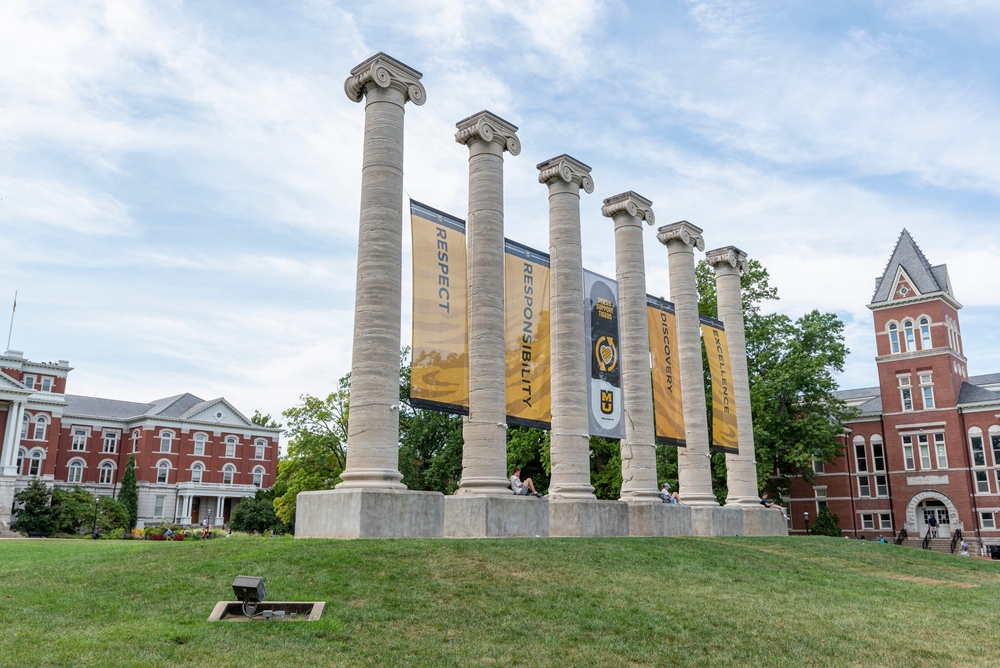
The University of Missouri-Columbia has stood as a beacon of higher education in the state since its establishment in 1839. Students and faculty know this flagship campus of the University of Missouri System as Mizzou or MU. The university ranks among top educational institutions nationally and globally according to prestigious publications including U.S. News and World Report, ARWU, and Washington Monthly.
Mizzou’s Applied Behavior Analysis (ABA) programs have become leading educational pathways that address critical healthcare needs. The Master of Science in Applied Behavior Analysis program tackles the state-wide and national shortage of qualified healthcare providers. Students learn to implement meaningful behavioral changes as practitioners.
The ABA program emphasizes evidence-based behavioral interventions that improve behaviors in a variety of populations, including individuals with autism spectrum disorder. Students receive essential scientific foundations and practical applications needed to excel in this specialized field.
Mizzou’s ABA Master’s program follows a clear mission to give students the scientific, analytical, and conceptual skills they need to deliver effective, ethical, and culturally responsive behavior analytic interventions. Students raise ABA practice standards through education, research, and community involvement while contributing positively to society.
The program builds excellence through five key goals:
- Scientific and analytical skills development for effective interventions
- Strong competence in ABA conceptual foundations
- Ethical and culturally responsive service delivery
- Research competency growth
- Leadership and collaboration skill development
Students experience a unique collaborative learning environment. They work with state-of-the-art research and evidence-based practices while gaining hands-on experience. The program offers both in-person and online course options for maximum flexibility.
The Association for Behavior Analysis International (ABAI) has verified the course sequence in the university’s ABA graduate program. Graduates can apply their coursework toward Board Certified Behavior Analyst examination requirements. The program earned full accreditation from the ABAI Accreditation Board in 2025 for three years.
Graduates build rewarding careers in clinics, hospitals, and schools throughout the nation. The program’s steadfast dedication to producing exceptional behavior analysts ensures graduates have the skills to improve quality of life for people with behavioral challenges, especially children and adults with developmental needs.
What ABA programs does University of Missouri, offer?
The University of Missouri-Columbia offers strong ABA educational pathways that prepare you for professional roles in the field. The Master of Science in Applied Behavior Analysis program serves as the substance of these offerings and combines theory with real-world applications.
Students complete 30 credit hours in Mizzou’s MS in ABA program. You can choose between in-person classes on the Columbia campus or fully online courses that fit around your work schedule. This setup helps you finish your degree while keeping your current job.
The University of Missouri-Columbia’s ABA graduate programs feature these core elements:
- Foundational coursework in behavioral principles and methodologies
- Advanced training in behavior assessment and intervention techniques
- Ethical practice and professional conduct training
- Research methodology and data analysis
- Supervised fieldwork experiences
The program’s curriculum lines up with the Behavior Analyst Certification Board’s (BACB) requirements. You’ll complete all coursework needed for certification eligibility. The Association for Behavior Analysis International (ABAI) has verified the course sequence, which gives students a significant advantage in professional certification.
Students with different educational needs can explore specialized options beyond the master’s program. These include supervised fieldwork hours for certification and continuing education to maintain credentials for practicing behavior analysts.
Students value the program’s dual focus on theory and hands-on application. You’ll participate with faculty members who actively research and practice in the field, so the curriculum stays current with best practices and new research.
Full-time students typically finish in two years, while part-time options take longer to fit various schedules. Each course builds on previous knowledge in a logical sequence from basics to advanced applications.
Professionals with degrees in related fields can supplement their knowledge with specialized ABA training. This makes the University of Missouri-Columbia program available to people from various academic backgrounds who want to enter or advance in behavior analysis.
Accreditation
Quality ABA programs need accreditation to show they meet tough educational standards. The Master of Science degree program in Applied Behavior Analysis at the University of Missouri-Columbia proudly holds accreditation from the Association for Behavior Analysis International (ABAI) Accreditation Board. This recognition confirms the program’s detailed curriculum and educational excellence.
The MS in Applied Behavior Analysis program’s ABAI accreditation runs through December 31, 2027. The board granted this status in 2025 for three years. They determined that the program lines up with required standards, though some improvements were specified. The program went through a tough evaluation process that looked at its operational integrity, financial health, and how well it works.
Students in the Applied Behavior Analysis Graduate Certificate Program can take advantage of ABAI-verified coursework. This verification means students can use their coursework to meet Board Certified Behavior Analyst® examination requirements. Many professionals find this helpful when pursuing certification.
The University of Missouri-Columbia’s credentials start with its regional accreditation. The Higher Learning Commission (HLC), part of the North Central Association of Colleges and Schools, provides this essential recognition. Students can apply for federal financial aid through FAFSA because of this regional accreditation.
The university’s commitment to excellence shows in its other credentials too. The National Council for Accreditation of Teacher Education (NCATE) has accredited several graduate programs in autism and special education. This layered approach to accreditation shows the university’s steadfast dedication to high educational standards.
The program must meet these requirements during its current accreditation period:
- Submit a progress report by August 1
- Provide annual reports with the next one due April 1
- Update website information for accuracy and transparency
- Maintain payment of annual sustaining fees
- Display student outcomes on the program website
Since January 1, 2022, ABAI-Accredited Programs meet the Behavior Analyst Certification Board’s degree and coursework requirements through Pathway 1 for certification applications. This makes the University of Missouri-Columbia’s ABA program even more valuable for students who want professional credentials in this field.
Tuition
Making smart financial decisions about your graduate education is vital. The University of Missouri-Columbia provides clear cost breakdowns for its Applied Behavior Analysis programs.
The online Graduate Certificate in Applied Behavior Analysis has an estimated total program cost of $14,157.60. Your actual costs might differ based on your transfer hours, course selections, and academic performance.
ABA program tuition rates change based on your residency status and program type. Students enrolled in online courses pay online tuition rates whatever their state of residence. These estimates reflect the 2025-2026 academic year costs. The university calculates expenses based on nine credit hours of full-time enrollment over two semesters.
Graduate program costs for Missouri residents in 2025-2026 include:
- Tuition and fees: $11,038.00-$12,526.00
- Housing and food: $15,008.00
- Books and supplies: $918.00
- Miscellaneous/personal expenses: $3,466.00
Missouri residents should expect total costs between $30,430.00-$31,918.00.
Non-resident students pay higher rates, with total estimated costs between $45,316.00 and $46,804.00. Distance education costs range from $29,572.00 to $42,094.00 whatever your residency status.
It’s worth mentioning that these figures exclude application fees, textbooks, and course materials. Department course fees vary, and your final program costs might differ from these estimates.
The university can adjust fees in its best interest. The Board of Curators must approve any increases thirty days before the term starts. These changes apply even if you’ve already paid your fees.
Graduate student expenses at the University of Missouri vary substantially between programs. Your tuition depends on your enrolled credit hours. You need to budget for mandatory activity and health service fees. Domestic students can opt for additional health insurance.
The Office of Cashiers can help you with specific questions about ABA program costs and provide current financial details.
Admissions
The ABA programs at University of Missouri-Columbia follow a well-laid-out timeline with multiple deadlines. Students who submit their applications by January 15 qualify to be assessed for scholarships. Applications submitted by March 30 receive priority for practicum placements. The final deadline falls on June 30 for class admission.
Admission requirements include:
- A bachelor’s degree from an accredited institution
- A minimum 3.0 GPA from your last 60 hours of undergraduate coursework
- International students must prove English proficiency through these scores:
- TOEFL (internet-based): 100+
- IELTS: 7.0+
- Pearson Test of English: 66+
- Cambridge C1 Advanced: 190+
- Duolingo English Test: 115+
The application process is different based on your status. Current Mizzou graduate students need to complete the Change of Program Form. New applicants must submit a full Graduate Studies application online.
A complete application package requires:
- Personal data sheet with your biographical information and professional experience
- Statement of purpose (approximately 500 words) describing your career objectives, research interests, and motivation for advanced graduate work[132]
- Resume/CV listing month/year start and end dates for all work experiences
- Unofficial transcripts from all undergraduate and graduate institutions
- Letters of recommendation—two for the master’s program and one for the certificate program
The recommendation letters should come from university professors who can speak about your academic abilities. Administrators or colleagues can provide insights about your professional potential. All letters must be submitted through the online application system.
Accepted students must provide official transcripts from all previous colleges or universities. The department does not accept students who need English language training in the U.S. before starting graduate studies.
Students seeking spring semester admission should apply by August 31, with classes starting in January. A faculty committee makes admission decisions by assessing each applicant’s potential success and contribution to the profession. Their evaluation goes beyond minimum requirements.
What sets University of Missouri, Columbia apart?
The ABA programs at University of Missouri-Columbia provide exceptional educational experiences for aspiring behavior analysts. Several key elements make these programs top choices for students who want expertise in this specialized field.
The program’s integrated approach sets it apart. Faculty members come from special education, psychology, and related disciplines. This creates a rich learning environment where different views help students understand behavioral principles better. Such collaborative efforts make research opportunities and classroom discussions more valuable.
Program graduates often highlight the value of hands-on learning. Students develop practical skills through fieldwork experiences in different settings. They can apply their classroom knowledge while building professional competencies under expert supervision.
The program’s research-to-practice model stands out. Faculty members conduct state-of-the-art research and incorporate their findings directly into teaching. Students learn current evidence-based practices instead of outdated methods.
Mizzou’s research facilities give students significant advantages. The university provides access to specialized laboratories and clinical settings. Students can observe and take part in ongoing research projects about behavioral interventions.
The program actively addresses Missouri’s critical shortage of qualified behavior analysts. This workforce development focus creates excellent job prospects for graduates statewide and nationally.
Columbia’s location benefits students through partnerships with local schools, clinics, and healthcare facilities. These connections aid networking and create potential career paths.
The program’s steadfast dedication to diversity and inclusion enriches the learning experience. Faculty members emphasize culturally responsive interventions. This prepares students to work with diverse populations in various settings.
A supportive academic community encourages collaboration rather than competition. Students develop professional relationships that last well beyond graduation. This creates a valuable network throughout their careers.
Next steps
The application process for ABA programs at University of Missouri-Columbia follows specific deadlines and requirements. Students seeking scholarships should apply by January 15. The second deadline for practicum placements is March 30, and class admission closes on June 30.
Your application package needs these important components:
- A completed application and personal datasheet that shows your professional, personal, or volunteer experiences with individuals on the autism spectrum
- A 500-word personal statement about your career and academic goals, why you want to pursue graduate education, and your research interests
- Unofficial transcripts from all previous educational institutions[201]
- A detailed resume/CV highlighting your work experience
- Letters of recommendation – ideally from current or former professors submitted through the application portal
Students already enrolled in another Mizzou graduate program can switch to the ABA program by filling out a Change of Program form[201]. New students must complete the full Mizzou Graduate School Application.
The university requires incoming students to maintain a minimum 3.0 GPA in all undergraduate coursework or at least in their program’s final two years. Students accepted by the department must submit official transcripts from all previous college work at institutions other than MU.
Certificate program applicants need to meet the same requirements as degree-seeking students. Students can later switch to the full degree program by submitting a program change form and meeting with the College of Education’s faculty member.