
University of Texas at San Antonio ABA Programs
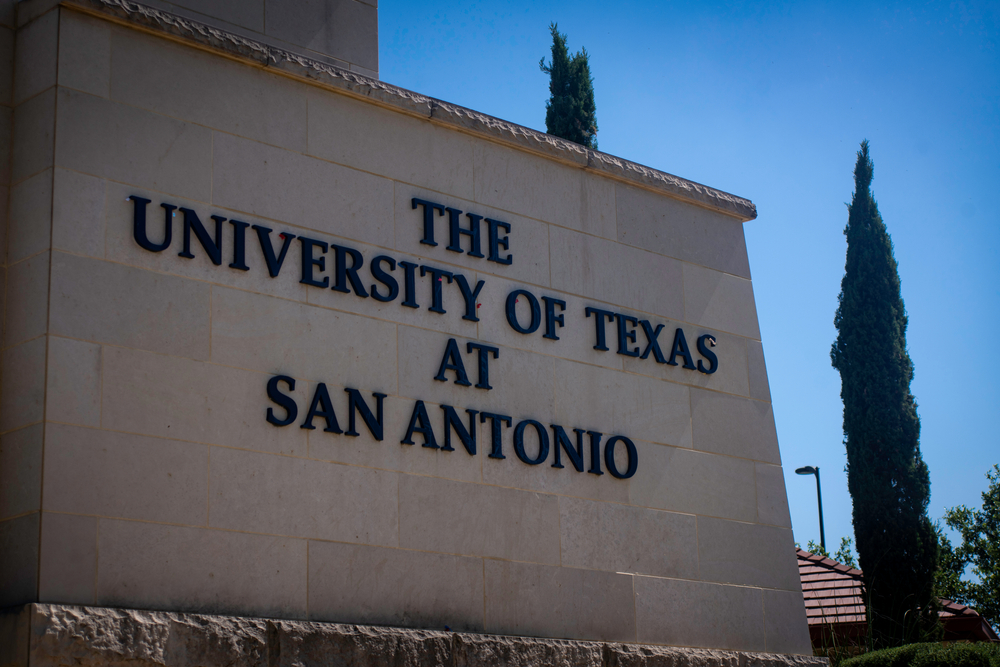
Looking for ABA Programs with perfect success rates at University of Texas at San Antonio? UTSA’s Applied Behavior Analysis programs have achieved a remarkable 100% first-attempt pass rate on the BCBA exam for all graduates. UTSA is the only institution in Bexar County and nearby areas that offers this specialized certificate to students.
The Master of Science in Behavior Analysis program has earned full accreditation from the Association for Behavior Analysis International Accreditation Board. This five-year accreditation runs through December 31, 2028. The program serves as an excellent path to BCBA certification in Texas. In fact, it meets all BACB’s Pathway 1 requirements, making your trip toward ABA certification both straightforward and academically strong.
UTSA ranks among the 57 Best Schools Offering ABA Bachelor’s and BCaBA Courses, which shows its strong reputation in the field. In this piece, you’ll find everything about UTSA’s ABA programs – from program options and accreditation details to tuition costs and admission requirements. You’ll also learn what makes these programs unique compared to others.
What ABA programs does University of Texas, San Antonio offer?
UTSA gives students many ways to study Applied Behavior Analysis at different academic levels. Each program matches different career paths and professional goals.
The university’s main graduate program is the Master of Science in Behavior Analysis (MSBA). Students learn to become scientist-practitioners who deliver meaningful services to people from all backgrounds. The MSBA program earned full accreditation from the ABAI Accreditation Board in 2024 that runs through December 31, 2028.
Students can choose between two concentration options in the master’s program:
- Comprehensive Concentration – This complete track gives students research, academic, and practical training they need to get BCBA certification and Texas state licensure. On top of that, it includes all 2,000 required experience hours through fieldwork, practice, and research under UTSA faculty supervision. Students complete their hours at UTSA partner sites and get special training to work in clinical, home, community-based, and school settings.
- Focused Concentration – This flexible option includes all required coursework and experiences for certification. Students can pick their fieldwork site from UTSA-approved locations. They don’t need to finish all 2,000 internship hours before graduating, which makes scheduling easier.
Both tracks follow a well-laid-out 36-hour semester sequence that builds knowledge step by step. The courses meet every requirement from the Behavior Analysis Certification Board, Association for Behavior Analysis International, and Behavior Analysis Accreditation Board.
UTSA offers a Graduate Certificate in Applied Behavior Analysis if you don’t want a full master’s degree. This certificate works best for:
- Post-baccalaureate graduates not pursuing a graduate degree
- Current master’s or doctoral students who want job-specific ABA skills
UTSA is the only school in Bexar County and nearby areas that offers this certificate. But students should know that this certificate alone won’t let them take the Behavior Analyst Certification Exam.
The university added a Bachelor of Science in Behavioral Science with special tracks, including Applied Behavior Analysis. The behavior analysis track helps students earn their registered behavior technician certification. This prepares them to work with people who have neurodevelopmental or neurodegenerative conditions.
UTSA’s strategic collaborations with local clinics and community agencies make these programs even stronger. Graduate students get great chances at paid fieldwork through these partnerships. Faculty members work on meaningful research projects and join local and national professional organizations.
Students get supervision at the university’s clinic on the Downtown Campus and in several research labs. These resources give students hands-on experience while they learn theory, preparing them for ground applications of behavior analysis principles.
UTSA’s programs give students the knowledge and skills they need. They learn scholarly thinking, research-based service delivery, and how to use behavior analysis to create positive change.
Accreditation
UTSA’s master’s degree program in Applied Behavior Analysis (ABA) reached a major milestone in October 2024. The program received full accreditation from the Association for Behavior Analysis International (ABAI) Accreditation Board. This recognition puts UTSA among an elite group of behavior analysis programs worldwide.
Accreditation is the gold standard for educational quality in applied behavior analysis. Students pursuing BCBA certification in Texas will find great advantages by attending an accredited program that future-proofs their educational investment. The UTSA ABA program now ranks as the third accredited program in Texas and stands alone as the only accredited program in the South-Central region. This difference puts it among just 28 accredited programs worldwide, showing how remarkable this achievement really is.
“Accreditation speaks to the quality of our program,” noted Leslie Neely, associate professor in the UTSA Department of Educational Psychology. “It signals we are among the 28 highest quality programs in the world”. This recognition verifies that UTSA’s ABA programs give students top-tier education as they prepare to become Board Certified Behavior Analysts.
This accreditation comes at a strategic time. A new ruling requires all BCBA candidates to earn their degree from an accredited master’s program by 2032. This transformation changes the industry since behavior analysis programs did not need accreditation before to produce BCBA-eligible graduates. UTSA students now have a great advantage in the field because their degrees already meet future requirements.
ABAI Accreditation Board focuses on creating and implementing tough standards for educational programs in behavior analysis. Programs seeking this recognition must meet exceptional standards. Dr. Kirkpatrick, faculty member at UTSA, sees the benefits of starting the accreditation process early: “There’s a lot of rigor in accreditation that we are excited about, such as completing a research project”.
This recognition lines up with UTSA’s steadfast dedication to excellence in behavior analysis education. The accreditation process reviews curriculum design, faculty qualifications, student outcomes, and research opportunities. Programs must show they meet the highest standards in the field.
BCBA certification candidates in Texas will see clear benefits from this accreditation. ABAI-Accredited Programs meet the BACB’s degree and coursework requirements (via Pathway 1) for BCBA and BCaBA certification applications since January 1, 2022. Graduates now have a smoother path to certification.
Texas ranks third in the U.S. for behavior analyst demand. UTSA’s accredited program arrives at the perfect time to meet this need. The rising number of autism diagnoses nationwide makes well-trained professionals more crucial than ever.
Faculty in the UTSA College of Education and Human Development’s ABA program expect this accreditation to draw more qualified applicants. Students can now feel confident about getting an education that meets international excellence standards while preparing for successful behavior analysis careers.
UTSA shows its dedication to excellence through this accreditation. The university continues to lead ABA education across Texas and beyond as it prepares the next generation of behavior analysts.
Tuition
Financing your education for ABA programs at University of Texas at San Antonio involves understanding various cost factors and available support options. First of all, UTSA determines a cost of attendance (COA) annually that includes not only tuition and fees but also estimated averages for additional expenses students typically incur.
For the 2026-2027 academic year, graduate students pursuing ABA certification in Texas can expect the following estimated tuition and fees:
| Enrollment Status | Texas Residents | Non-Residents |
| Full-Time (9 hours/3 classes per term) | $9,906 | $28,134 |
| Part-Time (6 hours/2 classes per term) | $6,844 | $19,116 |
These figures represent the cost for both fall and spring semesters combined. Given that most classes in the program are three credit hours, you can roughly calculate your per-course cost based on these estimates.
To obtain a personalized estimate, UTSA provides a Tuition Calculator tool that helps you determine costs based on your specific situation, including potential transfer credits that might reduce your total program expense. Due to state law authorizing the UT Board of Regents to set tuition rates, actual costs may change, as UTSA reserves the right to modify tuition and fees upon approval.
Beyond standard tuition costs, qualified students have access to significant financial support through the ABA TEACHER Project. This comprehensive funding package is designed specifically to reduce barriers for graduate students pursuing ABA certification in Texas. Funded through a personnel-preparation grant from the U.S. Department of Education’s Office of Special Education Programs, the project offers assistance for:
- Tuition and university fees for required MSBA coursework
- Supervised fieldwork and thesis supervision fees
- Educational and research materials
- Cost-of-living stipends during full-time enrollment
- Professional development activities
In fact, funds are distributed at specific points throughout the academic year in accordance with federal and university regulations. As a participant, you become responsible for managing these funds to ensure timely payment of your educational expenses. In the long run, maintaining good academic standing and consistent progress toward degree completion are essential requirements for continued financial support.
UTSA’s One Stop office can further assist with applying for additional financial aid options, understanding available aid types, and receiving offered funds. As a result, many students find that combining various funding sources makes pursuing their BCBA certification financially manageable despite the initial sticker price.
Admissions
Students who want to apply for ABA programs at University of Texas at San Antonio need to know the detailed admission process and requirements. The UTSA Graduate Application system accepts all applications, and you’ll need to upload your documents there.
The MS in Behavior Analysis program needs these simple requirements:
- Bachelor’s degree from an accredited U.S. college/university (or equivalent foreign institution training)
- Minimum GPA of 3.0 on a 4.0 scale (departments might look at GPA of last 60 semester credit hours)
- Coursework that prepares you for the program
- Official transcripts from every institution you attended (international transcripts need English translation)
- Statement explaining your motivations and career goals
International students must get their foreign university credits evaluated. You can submit an evaluation from FCSA or any NACES-approved agency. UTSA’s graduate programs need specific English language scores: 550 TOEFL Paper / 79 TOEFL Internet / 6.5 IELTS / Duolingo 100.
Timing becomes a vital part of successful applications for bcba certification in Texas. The MS program follows these application deadlines:
| Term | Priority & International Deadline | Domestic Deadline |
| Spring 2026 | October 1 | October 1 |
| Summer 2026 | February 1 | February 1 |
| Fall 2026 | February 1 | February 1 |
The Graduate Certificate in Applied Behavior Analysis has different deadlines:
| Term | Priority Deadline | International Deadline | Domestic Deadline |
| Spring 2026 | November 1 | November 1 | December 1 |
| Fall 2026 | June 1 | June 1 | August 1 |
Students should submit their applications early. The MS program sends admission decisions within 4-6 weeks after the deadline. Certificate program applications get reviewed continuously, and decisions usually arrive within 4-6 weeks.
New applicants can use unofficial transcripts during admission review, but admitted students must provide official ones. Students who don’t meet standard admission requirements might still receive conditional admission based on recommendation letters or work experience that shows academic potential.
You’ll find the application process straightforward since one application covers all materials needed for your chosen programs.
What sets UT San Antonio apart?
UTSA’s behavior analysis programs excel among ABA certification options in Texas. The program’s results speak for themselves – 100% of graduates have passed the BCBA exam on their first attempt. Such success demonstrates the program’s outstanding preparation of its students.
Research excellence shapes unique student opportunities at UTSA. The faculty and university have secured over $8.5 million in grant funding. These funds help develop and evaluate innovative treatment models in behavior analysis. Students benefit from hands-on experience in faculty-led labs.
Students pursuing ABA certification in Texas benefit from UTSA’s strong community connections. The Department of Educational Psychology’s partnerships with local clinics and community agencies help graduate students secure paid fieldwork opportunities. Students can gain experience in various settings:
- Hospital environments
- Clinical settings
- School-based programs
- Home and community services
- Adult services
UTSA’s university-supported clinic at the Downtown Campus provides supervision to students. This on-site facility lets students apply classroom learning under expert guidance right away.
Alumni often praise the program’s impact. “The mentorship and opportunities I received as a grad student in the ABA program at UTSA more than prepared me for a career as a BCBA,” notes Erin Santos, a 2019 graduate. Another graduate appreciates “the diversity of experience available to students, especially the research opportunities”.
The program’s benefits show in career outcomes – graduates earn an average starting salary of $75,000 in their new jobs. Students become empathetic, well-rounded practitioners with technical expertise and professional skills to tackle real-life challenges.
UTSA puts special emphasis on preparing students to work with diverse populations. This approach reflects the university’s role as a Hispanic Serving Institution (HSI) with a majority Hispanic student body.
Next steps
UTSA’s Applied Behavior Analysis programs are top choices to get BCBA certification in Texas. Students have achieved a perfect 100% first-attempt pass rate on the BCBA exam, which shows how well the program works. The recent ABAI accreditation through 2028 makes UTSA one of just 28 accredited programs worldwide. This gives you a major advantage as the field moves toward requiring accredited degrees.
UTSA offers multiple program paths that match your career goals. You can choose between a detailed concentration with built-in fieldwork hours or a more flexible focused concentration. Both options will prepare you fully and meet all industry standards. UTSA is the only school in Bexar County that offers both undergraduate and certificate options for this specialized training.
Money shouldn’t stop you from following this career path. The ABA TEACHER Project at UTSA helps with tuition, fees, and even provides cost-of-living stipends while you study. Other financial aid options make your education costs much more manageable.
UTSA stands out from other schools in many ways. The university’s strong community partnerships in a variety of settings let you gain valuable real-life experience during your training. UTSA graduates enter their careers well-prepared and earn impressive starting salaries around $75,000.
The faculty’s excellence adds even more value to your education. They’ve secured over $8.5 million in grant funding for innovative research that you can join firsthand. This mix of strong academics, hands-on experience, and research creates well-rounded practitioners who make real differences in people’s lives. UTSA is an excellent choice to start your career in applied behavior analysis, especially as Texas and other regions just need more qualified professionals.